Updates
Products


Currently it only shows your basic business info. Start adding relevant business details such as description, images and products or services to gain your customers attention by using Boost 360 android app / iOS App / web portal.

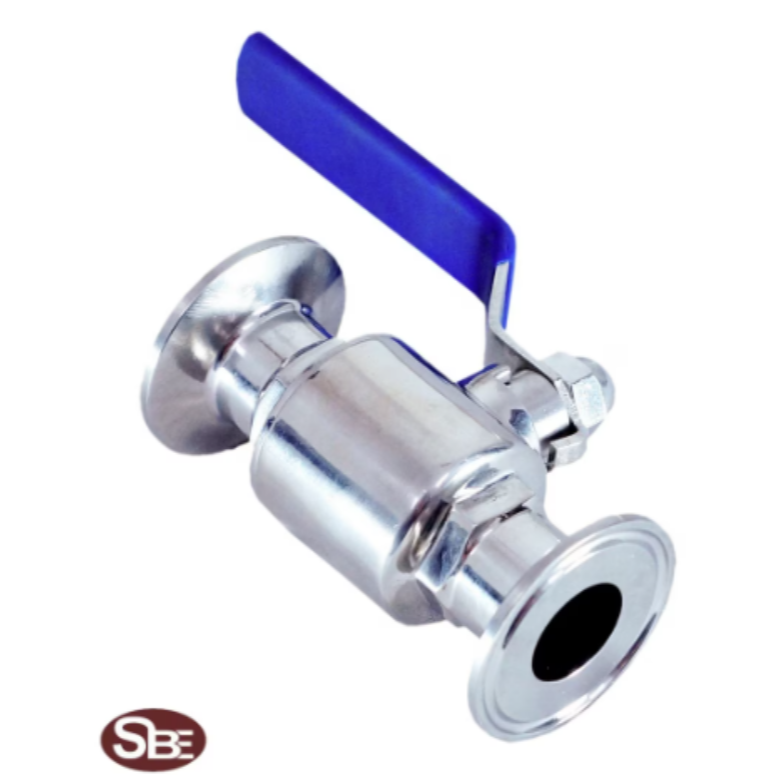
Valves are among the most important components in any industrial piping system. They regulate, direct, and control the flow of liquids, gases, steam, and other media, ensuring that production processes operate safely and efficiently. Whether used in manufacturing plants, food processing facilities, pharmaceutical units, or water treatment systems, selecting the right valve can significantly improve system performance while reducing maintenance costs.
With Bangalore serving as one of India's major industrial and manufacturing hubs, businesses across Karnataka require dependable flow control solutions that can withstand demanding operating conditions. Understanding how different valves function and where they are best applied helps procurement teams and engineers make smarter purchasing decisions.
Industrial processes often involve transporting fluids under varying pressures and temperatures. Without properly selected valves, controlling these processes becomes difficult, leading to leakage, pressure fluctuations, equipment damage, or production downtime.
A well-designed valve performs several critical functions:
Because each application has unique operating requirements, choosing the correct valve type is just as important as selecting the right pipe or fitting.
Industrial systems rely on various valve designs, each developed for a specific purpose.
Ball valves provide quick shut-off and excellent sealing. They are commonly used in water supply systems, compressed air lines, chemical plants, and general industrial applications where dependable isolation is required.
Gate valves are ideal for fully open or fully closed operations. They offer minimal flow resistance and are widely used in large pipelines carrying water, oil, and industrial fluids.
These valves are designed for regulating flow. Their construction allows operators to adjust flow rates with greater precision, making them suitable for process control applications.
Butterfly valves are lightweight, compact, and economical for handling large volumes of fluid. They are frequently used in HVAC systems, water treatment plants, and industrial processing units.
Also known as non-return valves, these automatically prevent reverse flow, protecting pumps, compressors, and other equipment from potential damage.
Every industrial application has different operating conditions. Before purchasing valves, evaluate the following aspects carefully.
The valve material should be compatible with the liquid, gas, steam, or chemical flowing through the system. Corrosive substances often require stainless steel or other specialized materials.
Ensure the valve is rated to handle the expected pressure and temperature ranges. Using an underrated valve can lead to premature failure and safety risks.
Consider whether the application requires full flow, throttling, or precise flow regulation. Different valve designs perform better under different flow conditions.
Valves are available with threaded, flanged, welded, and sanitary connections. Selecting the correct connection simplifies installation and maintenance.
Some valves require periodic servicing, while others are designed for minimal maintenance. Understanding lifecycle requirements helps reduce long-term operating costs.
Reliable valves are essential across numerous sectors, including:
As manufacturing activities continue to grow in Bangalore, the need for durable and efficient industrial valves has increased across both large enterprises and medium-scale industries.
Choosing valves based solely on price can create operational problems later. Common purchasing mistakes include:
Avoiding these errors helps improve equipment reliability and reduces unexpected production interruptions.
Industrial valves are long-term investments that directly affect plant safety and efficiency. Working with an experienced supplier ensures access to quality products, technical guidance, and dependable after-sales support.
For businesses sourcing industrial flow control components in Bangalore, S B Enterprises supplies a wide range of valves and engineering products suited for diverse manufacturing applications. The company supports industries with quality industrial solutions and provides additional product information through its website, sbenterprisesblr.com.
Selecting the right valves is more than a procurement decision—it is an investment in operational reliability. By matching the valve type to the application, considering system requirements, and sourcing from a trusted supplier, manufacturers can improve productivity, reduce maintenance, and build piping systems that perform efficiently for years.
