Updates
Products


Currently it only shows your basic business info. Start adding relevant business details such as description, images and products or services to gain your customers attention by using Boost 360 android app / iOS App / web portal.

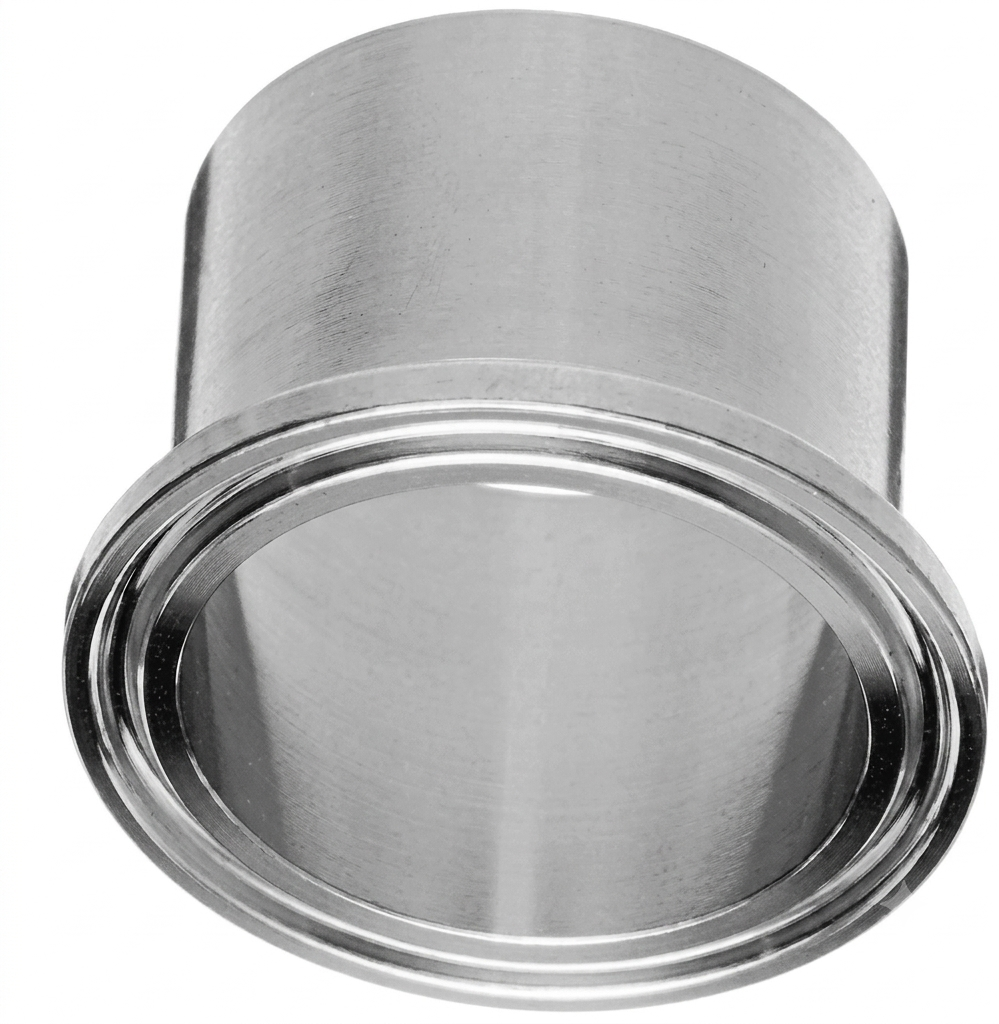
In industries where cleanliness and product integrity are non-negotiable, every component in the piping system must meet strict hygiene and performance standards. TC ferrules are one such component that often goes unnoticed but plays a crucial role in creating reliable, sanitary connections. From pharmaceutical production to food processing and biotechnology, these fittings help maintain contamination-free operations while making maintenance faster and more efficient.
For manufacturers in Bangalore and across Karnataka, investing in quality TC ferrules is an important step toward building dependable process piping systems that support consistent production and regulatory compliance.
TC ferrules, also known as Tri Clamp ferrules or sanitary ferrules, are stainless steel fittings that connect process equipment, pipes, valves, and other sanitary components using a clamp and gasket. Their smooth, polished surfaces help eliminate areas where bacteria, residue, or contaminants could accumulate.
Unlike conventional threaded connections, TC ferrules create a hygienic joint that can be assembled and dismantled quickly without compromising cleanliness.
These fittings are commonly manufactured in SS 304 and SS 316 stainless steel, both of which offer excellent corrosion resistance and durability.
A sanitary pipeline is only as reliable as its connections. Even a small imperfection can increase the risk of contamination, leakage, or production downtime.
High-quality TC ferrules provide several important benefits:
These advantages make them an essential component in industries that require strict hygiene standards.
Because of their sanitary design, TC ferrules are widely used in industries where cleanliness directly affects product quality.
Some of the major applications include:
Many production facilities in Bangalore have adopted hygienic piping systems to improve operational efficiency while meeting national and international quality standards.
Not all sanitary fittings are manufactured to the same quality. Before purchasing TC ferrules, buyers should evaluate several technical aspects.
Choose genuine stainless steel grades such as SS 304 or SS 316 depending on the application and chemical compatibility requirements.
Precision manufacturing ensures proper alignment with clamps and gaskets, reducing the risk of leakage.
A highly polished surface minimizes bacterial growth and supports effective cleaning procedures.
The ferrule must match the existing piping system to ensure a secure connection.
Selecting products manufactured according to recognized sanitary standards improves system reliability and product safety.
Even premium-quality TC ferrules can underperform if installed incorrectly.
Avoid these common issues:
Routine inspections help identify wear before it develops into larger operational problems.
Proper maintenance helps maximize the lifespan of sanitary fittings while maintaining production quality.
Recommended practices include:
These simple steps help maintain reliable performance while reducing unexpected downtime.
Reliable sanitary piping systems depend on quality components sourced from experienced suppliers. Technical support, product consistency, and material certification are all important considerations during procurement.
For manufacturing companies in Bangalore, S B Enterprises supplies TC ferrules along with a wide range of industrial piping components and engineering products for hygienic and process industries. The company serves diverse manufacturing sectors and provides detailed product information through its website, sbenterprisesblr.com, helping businesses select suitable solutions for their operational requirements.
Although TC ferrules are relatively compact components, their contribution to hygienic production is significant. By selecting the right material, ensuring proper installation, and following regular maintenance practices, manufacturers can improve process reliability, reduce contamination risks, and support efficient long-term operations.
